
Most art made today ends up in bubble wrap. It waits in a corner of the studio or in a warehouse, and when it sells, it often moves to another warehouse. The work becomes inventory. Value incubates in the dark while money makes more money, and nobody looks at anything.
Then there is this house.
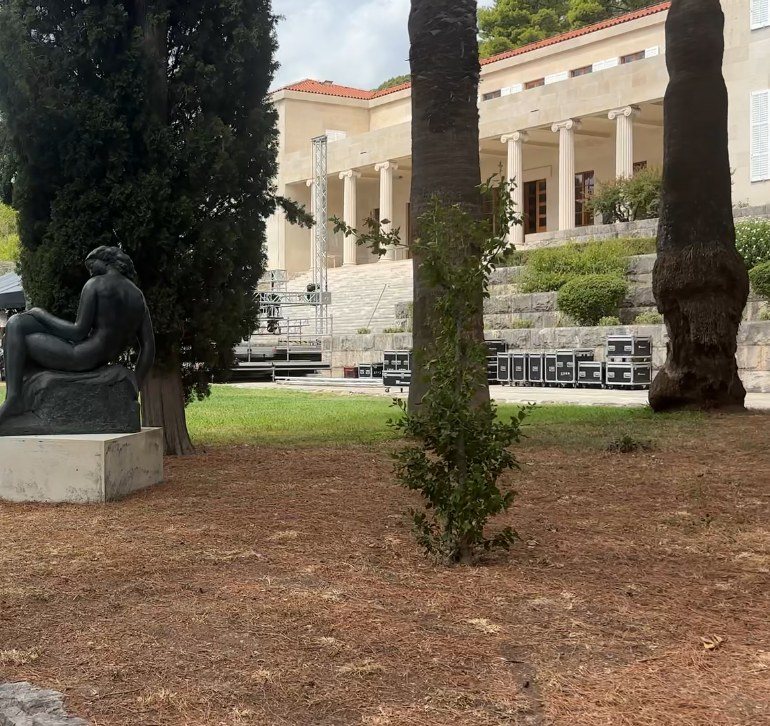
Ivan Meštrović built his home on the slopes of Marjan between 1931 and 1939, facing the Adriatic. It was residence, studio and exhibition space at once. In 1952, he donated four buildings and 132 works to the Croatian people.
What I envied was not the view. It was that an artist had decided where his own work would live, and then made that decision permanent. Making, keeping, showing and remembering happen within the same place. The archive is not simply a record of the practice. It is the practice, still standing.
Inside, one work stopped me: Job.
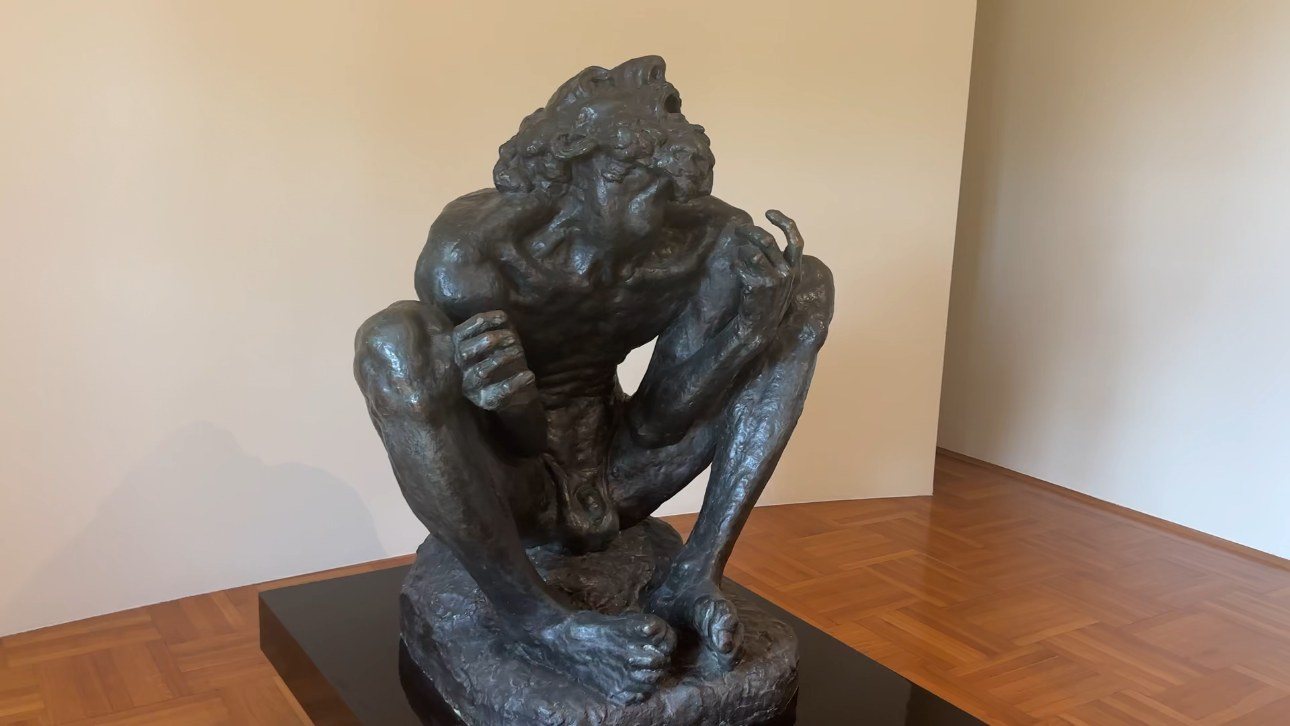
Meštrović first worked through the figure in drawings made during his imprisonment in Zagreb in 1941–42. The bronze followed in the years of exile that came after: a body folded in on itself, its surface restless, its mouth turned upward in an almost audible cry. In the gallery I found the same figure at several scales, as though once was never going to be enough.
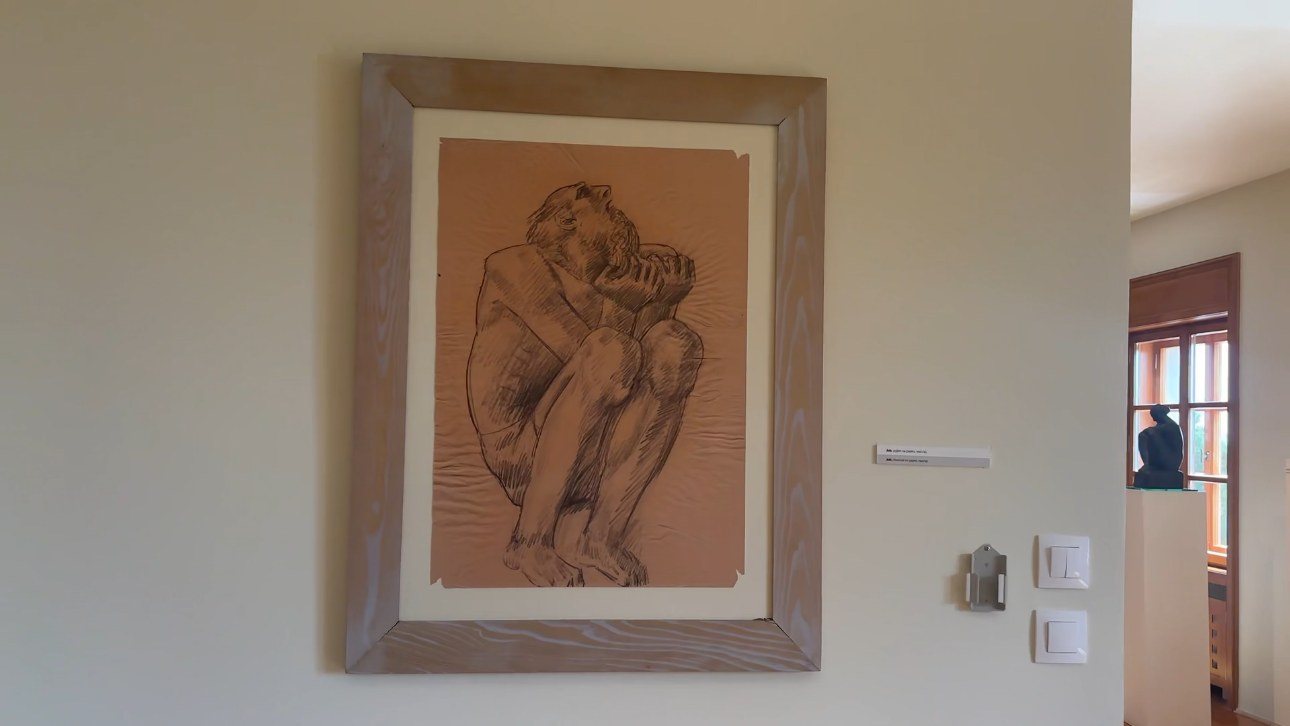
I have always found the Book of Job difficult. Standing there, I understood something of why Meštrović returned to it. The figure cries out and receives no answer, yet remains turned towards the sky. There is suffering in the body, but the act of looking has not ended.
That encounter also made me think about what happens to art once it leaves the artist.
A work in storage can be preserved. Its condition can be insured and its price indexed. But none of those things require anyone to stand before it long enough to be changed by it.
Venice this year proposed that we slow down and listen. This house has been doing it for the better part of a century.
Meštrović built a place where his work could continue to be looked at. Perhaps that is another kind of value.
Woori Ko · KOUM Partners · London