
Editorial·KOUM Editorial · Exhibition
In Minor Keys, in a Major Venue
Notes from the Giardini · The 61st Venice Biennale
The Giardini is perhaps the loudest form art has invented for itself. National pavilions, each a small embassy of cultural representation, line paths laid out when Europe still drew much of the world's map in national terms. Into this architecture of representation, the 61st Venice Biennale has placed a deliberately quieter proposition: In Minor Keys. The participant list was cut to 110.
The premise is not simply a reduction of spectacle. It is a proposition about attention. Against the speed, scale and constant demand for visibility that now govern the contemporary art world, the Biennale asks what might become perceptible when we slow down. Koyo Kouoh, who conceived the exhibition, did not live to see it open. Its realisation after her death inevitably adds another register to a project concerned with presence, absence and the conditions of looking.
The contradiction is productive, and worth naming. A theme of restraint and sustained attention has been mounted inside one of the world's most powerful structures of artistic representation. One hundred national participations are spread across the Giardini, the Arsenale and the city. The system continues to organise visibility through the idea of the nation, even as contemporary practice moves freely across borders, languages and histories. Artists may inhabit multiple identities and territories, yet the pavilion still asks them to speak, however symbolically, for a country.
Pavilions do not whisper.
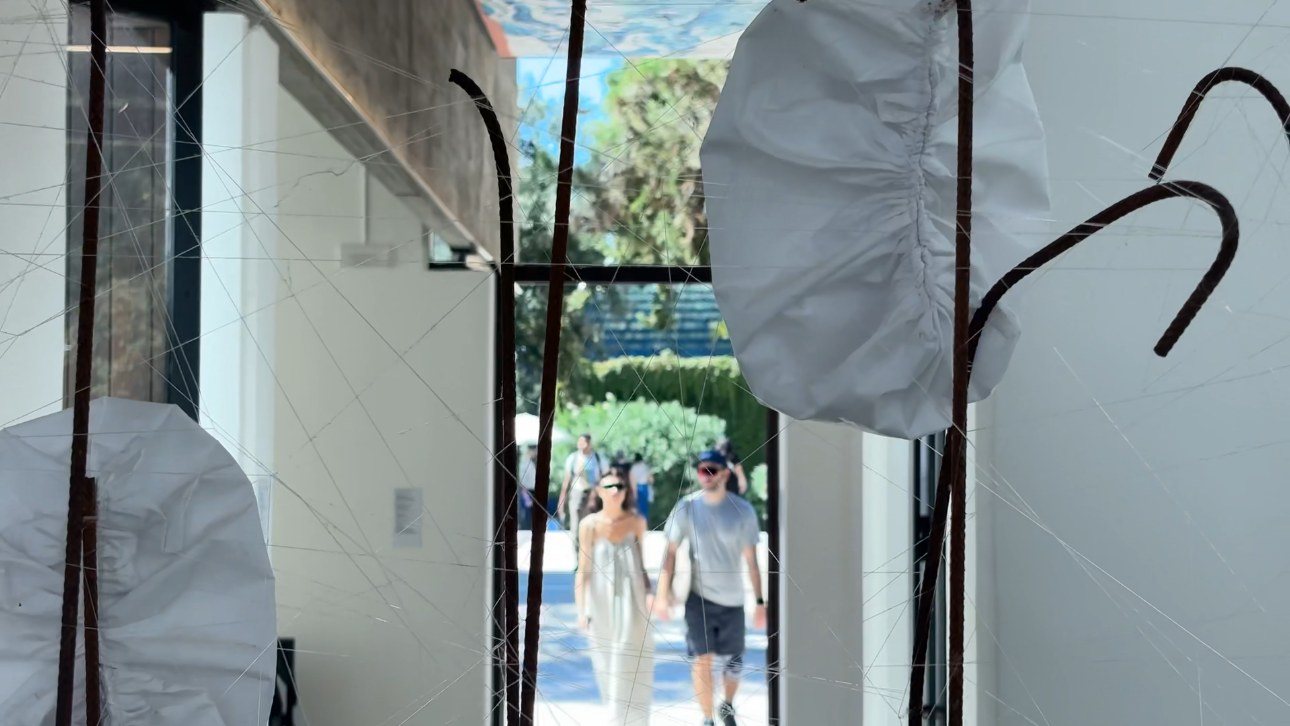
This tension is not a flaw in the Biennale; it is one of the conditions that makes the 2026 edition worth considering. In Minor Keys attempts to loosen the categories through which contemporary art is encountered, while the Giardini continues to make those categories materially visible. The result is an exhibition that cannot escape the institutional history it inhabits, and perhaps should not try to.
The introduction of the Visitor Lions adds another layer to this question of attention. Replacing the traditional juried awards with recognition determined by public vote may appear to democratise value. Yet popularity and duration are not the same measure. A public vote necessarily privileges what can be encountered, remembered and communicated quickly. The minor register operates differently. It asks for time.
This may be the more lasting proposition of In Minor Keys. The minor is not an escape from politics, nor a retreat from the major questions of our time. It is a different politics of attention: one that asks not only what art says, but what we are willing to stay with.
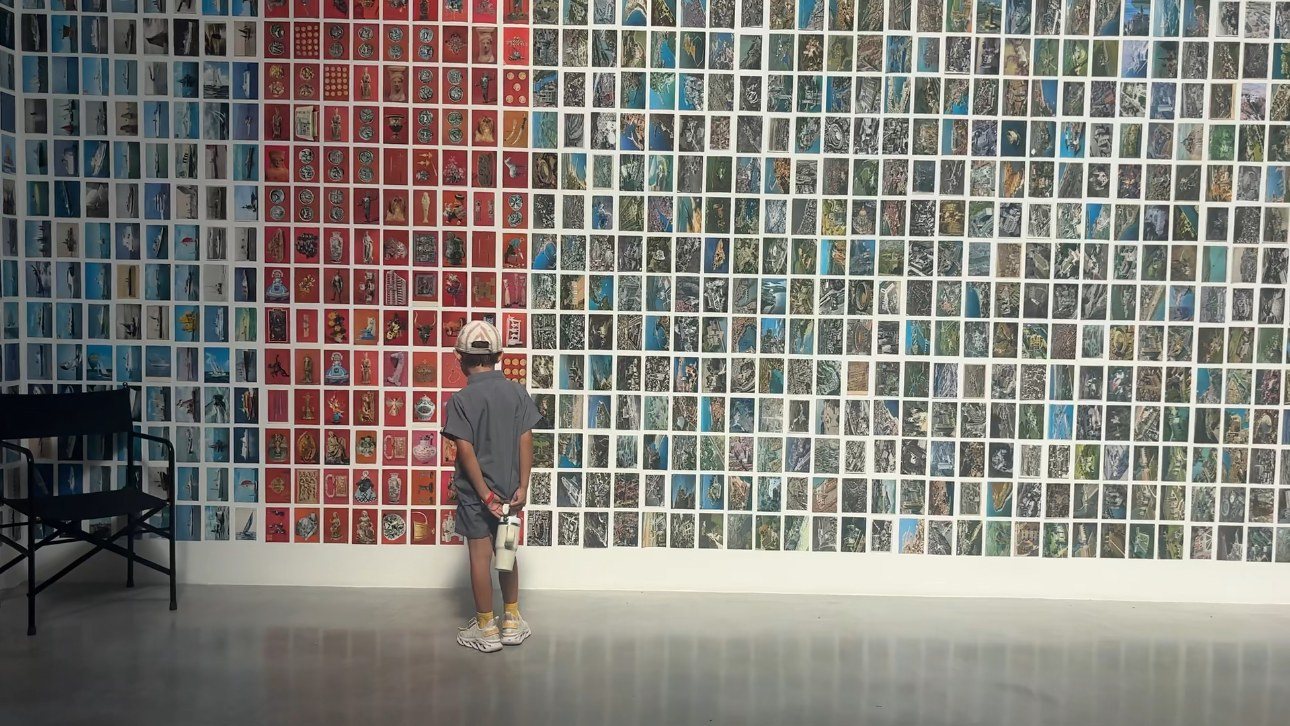
A ballot measures how much attention a work gathers. It cannot measure how long.
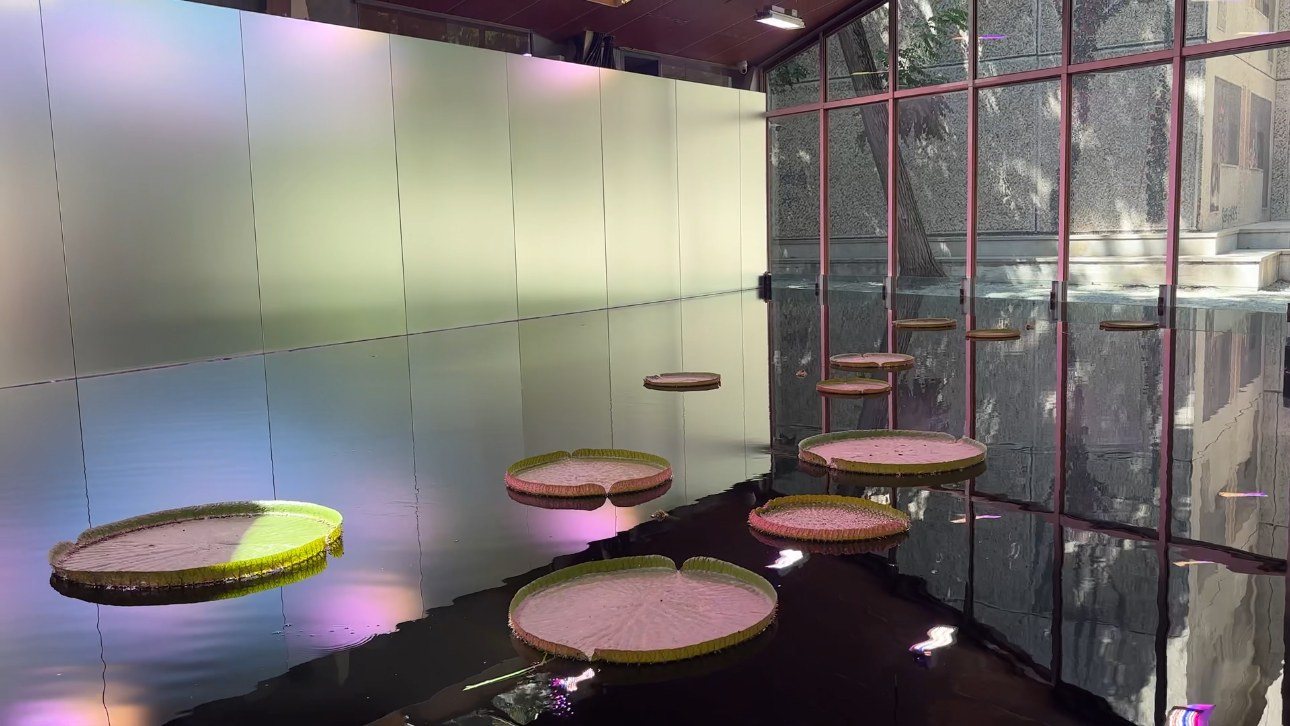
The value of a Biennale is rarely settled on closing day. It is tested afterwards: in return visits, in critical memory, in conversations that continue, and in works that acquire meaning slowly. The verdict on this Biennale will not arrive on 22 November. It will arrive later, and elsewhere.
— KOUM Partners, London